
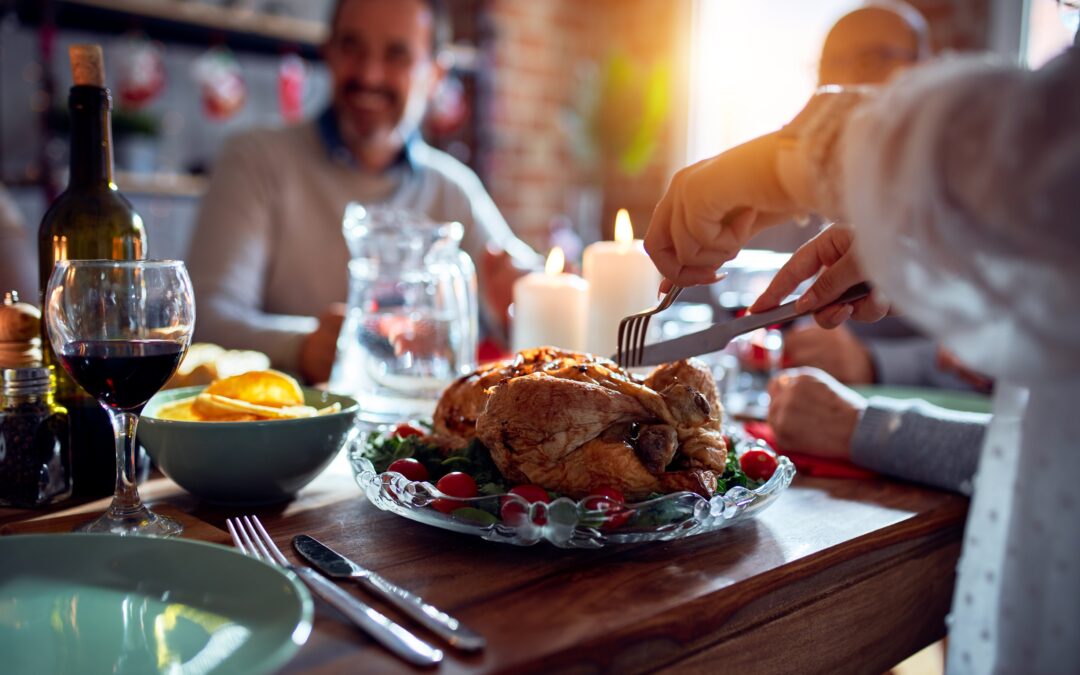
Holiday meals bring families together to enjoy traditional recipes, homemade favorites, and time with loved ones. However, cooking for larger groups and preparing multiple dishes can make proper food handling more difficult and easy to overlook.
Foodborne illness is a common concern throughout the holidays and year-round. According to the CDC, an estimated 48 million Americans experience food poisoning each year. Fortunately, many cases can be prevented by following basic food safety guidelines.
As you prepare for the holiday season, learn what causes food poisoning and when to seek medical treatment. AFC Urgent Care Lenoir provides convenient walk-in care for patients experiencing symptoms, while AFC Urgent Care’s nationwide network offers access to clinics when traveling during the holidays.
How Does Food Poisoning Occur?
Food poisoning, or foodborne illness, develops after consuming contaminated food or drinks. Harmful bacteria, viruses, parasites, or toxins can irritate or infect the gastrointestinal (GI) tract. Common foodborne pathogens include norovirus, Salmonella, Campylobacter, E. coli, and Clostridium perfringens. Contamination can occur when food is improperly prepared, handled, cooked, or stored.
The body has natural protections against these pathogens. Stomach acid, beneficial gut bacteria, and immune defenses help prevent certain microorganisms from causing illness. However, these defenses do not guarantee protection against food poisoning. Infants, young children, older adults, and people with weakened immune systems are particularly vulnerable to severe infections and complications.
Signs You May Have Food Poisoning
The symptoms and severity of food poisoning depend on the pathogen responsible for the illness. Some people become sick within hours of eating contaminated food, while others may not develop symptoms for several days.
Symptoms may last a few hours or continue for several days, and typically include:
- Nausea or vomiting
- Diarrhea, including watery or bloody stools
- Abdominal cramping and stomach pain
- Fever and chills
- Headaches
- Muscle aches
- Loss of appetite
- Fatigue or weakness
- Dehydration, including dizziness, dry mouth, excessive thirst, and decreased urination
Food Poisoning: When to Seek Medical Treatment
Mild food poisoning often resolves within a few days with adequate rest and hydration. However, medical attention may be necessary when symptoms persist or become more severe.
Plan your visit to AFC Urgent Care Lenoir if you experience any of the following symptoms:
- Ongoing Digestive Symptoms: Diarrhea, nausea, vomiting, or abdominal discomfort lasting longer than 48 hours without improvement.
- High Fever: A temperature exceeding 101.5°F, particularly with additional symptoms.
- Dehydration: Increased thirst, dry mouth, dark-colored urine, or decreased urination.
Seek immediate medical care for severe abdominal pain, bloody diarrhea, fainting, confusion, or severe dehydration. These symptoms may require evaluation in an emergency room depending on their severity.
Four Ways to Reduce Food Poisoning During the Holidays
Holiday cooking involves more than preparing a typical weeknight dinner. With guests arriving, multiple dishes cooking, and mealtimes to coordinate, following safe food preparation practices is essential, but can be difficult. Remember these four steps: Clean, Separate, Cook, and Chill.
Clean Your Hands, Food Preparation Areas, and Utensils
Germs can spread through contaminated hands, food, utensils, and kitchen surfaces. Wash your hands thoroughly with soap and water for at least 20 seconds, especially before and after handling food.
Clean countertops, cutting boards, and utensils with hot, soapy water. Wash fresh fruits and vegetables under running water, but avoid rinsing raw meat, poultry, seafood, or eggs, as this can spread bacteria around your kitchen.
Separate Raw Ingredients to Avoid Cross-Contamination
Raw meat, poultry, seafood, and eggs should be kept away from ready-to-eat foods throughout shopping, storage, and preparation.
Use separate cutting boards, utensils, and plates for raw ingredients and prepared foods. Refrigerate or freeze raw meat, poultry, and seafood in sealed, leakproof containers, and store eggs in their original carton inside the refrigerator.
Cook Foods Thoroughly and Check Their Temperature
Proper cooking temperatures help destroy harmful bacteria. Always use a food thermometer to check the internal temperature of meat, poultry, and other dishes. Consult the safe minimum internal temperatures chart for specific recommendations. If food is not being served immediately, keep hot dishes at 140°F or above.
Chill Perishable Foods and Leftovers Quickly
Prompt refrigeration prevents bacteria from multiplying. Perishable foods should be refrigerated within two hours, or one hour when temperatures exceed 90°F.
Keep refrigerators at 40°F or below and freezers at 0°F or below. Place leftovers in shallow containers for quicker cooling, thaw or marinate foods in the refrigerator, and discard items that exceed their recommended storage times.
Get Convenient Medical Care at AFC Urgent Care Lenoir
Between holiday travel, work, and changing winter weather, schedules can become especially demanding. Keeping food safety a priority helps reduce the chance that food poisoning will interrupt your celebrations.
Even with proper precautions, foodborne illness can still occur. If you experience persistent vomiting, nausea, diarrhea, or other concerning symptoms, AFC Urgent Care Lenoir offers convenient walk-in medical care. Our medical providers can evaluate your symptoms, check for dehydration, and recommend appropriate treatment.
Visit AFC Urgent Care Lenoir or pre-register for your appointment today. If you’re away from home, you can also visit an AFC Urgent Care location near your holiday destination.
Recent Comments